Short-form video as a category has matured. YouTube Shorts expanded its length limit to 180 seconds (3 minutes) in September 2024, breaking out of the sub-60-second window that defined the format from launch. Two years into the expanded window, the practical and strategic implications for creators and advertisers have come into focus. Length norms are still shifting—and the optimization landscape has become more nuanced than the pure-brevity arms race of 2020-2023.
What Changed Structurally
The September 2024 expansion to 180 seconds was YouTube’s first major rethink of Shorts length. Previously, the format was capped at 60 seconds, encouraging brevity above all else. The 3-minute ceiling brought Shorts closer in feel to TikTok’s longer-form content and gave creators room to develop ideas that didn’t fit the snackable mold.
The structural pressure to extend length has been visible across the short-form category for some time. As ad load saturated, platforms needed longer videos to maintain advertiser inventory and creator monetization viability. The same pressure applies, in different ways, across TikTok and Instagram Reels.
What This Has Meant for Creators
The expansion didn’t force creators to make longer videos. It opened the option. Creators in education, narrative comedy, and how-to verticals have leaned into the additional length most aggressively—use cases where pacing requires room to develop. Pure-hook content, music, and meme formats have largely stayed in the original sub-60-second window.
The practical shifts visible across creator analytics through 2025-2026:
- Length floor effects — sub-15-second clips no longer dominate the distribution conversation the way they did in 2022-2023
- 30-60 second pacing — content in this range has become a productive middle ground for many creators
- Slower hook tolerance — opening hooks that take a few seconds to develop are increasingly viable
- Completion-rate weighting — algorithms increasingly weight watch-through completion over absolute view count
The Advertiser Implication
For advertisers running short-form video ads, the structural shift has direct implications. Longer organic videos mean more ad-slot opportunities per session. Platforms haven’t materially changed creator revenue-share calculations—but the absolute pool size grows when average view duration grows.
Three patterns advertisers running short-form ads should expect to navigate through 2026:
- CPM volatility — increased inventory may outpace brand demand in some periods, particularly off-peak quarters
- Higher completion rates — audiences trained on longer organic clips complete longer ad units more reliably
- Better mid-funnel storytelling — 30-60 second ads now have audience conditioning to watch them through
The Cross-Platform Pattern
The interesting question is whether TikTok and Instagram Reels will continue down a similar path. Both face parallel pressures: creator monetization that depends on engagement quality, ad inventory that benefits from longer content, and the same underlying user-attention dynamics. The order of adoption matters less than the destination—all three platforms appear to be converging on the same general pattern of longer-form-tolerance within vertical-video conventions.
For brand-marketing teams, the practical takeaway: invest in the production capability to ship 30-60 second creative that holds attention. The era when 8-second hooks dominated distribution economics is closing. The era of “long-short-form”—15-60 second content that still feels native to vertical-video conventions—is opening.
What to Test in the Next Quarter
Three tests that produce useful data for any brand running short-form video at scale:
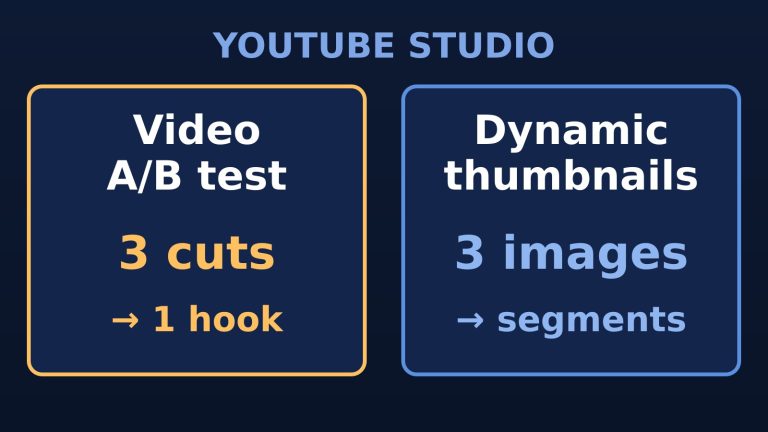
- A/B test creative length — run 10-second and 35-second versions of the same creative concept against matched audiences
- Measure completion-rate parity — compare watch-through completion across lengths to validate the longer format hasn’t degraded engagement
- Re-evaluate hook conventions — test slower opening hooks against the punchier, sub-3-second hooks that have dominated playbooks
For broader context on how the major social platforms are recalibrating, see YouTube’s recent Promotions Tool upgrade—part of the same strategic repositioning.